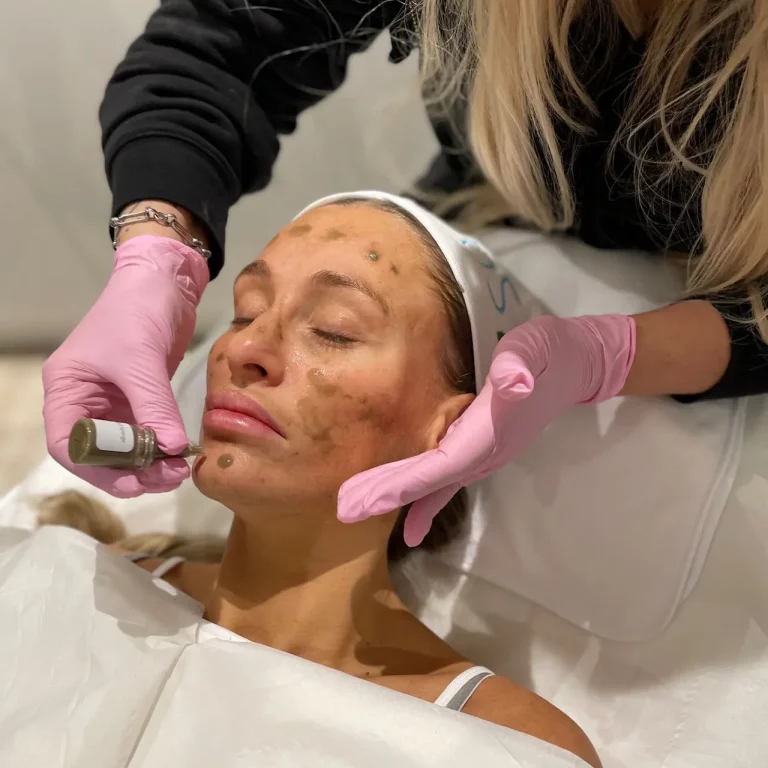
Mesotherapy is a minimally invasive procedure involving superfine microinjections of vitamins, minerals, amino acids, and hyaluronic acid delivered into the skin's mesodermal layer. This nourishes, hydrates, and rejuvenates your skin while promoting collagen and elastin production, essential for youthful elasticity.
There are two main types of mesotherapy treatments available:
The treatment infuses medically graded ingredients directly into the skin's middle layer, encouraging skin repair and regeneration.
Nappage uses fine needles to flood the skin with nutrients, perfect for overall glow and hydration.
Targeted work uses advanced nano-needles to deliver the solution deeper and more precisely, ideal for working on correcting wrinkles, pigmentation, or scars.
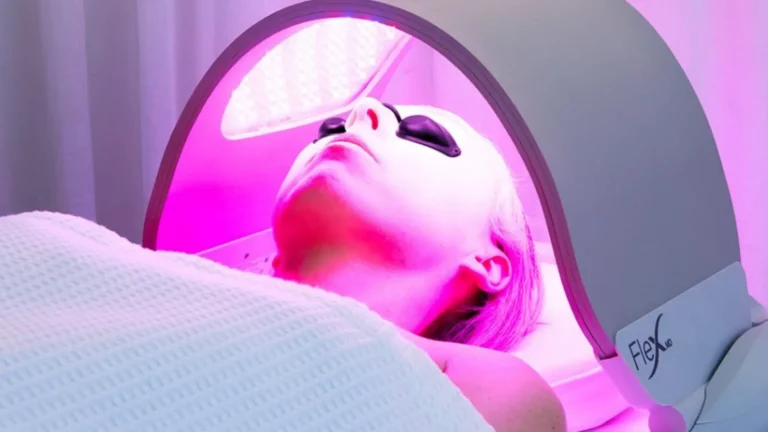
A chemical peel is applied before both Nappage and Targeted treatments to boost effectiveness. LED therapy is added to Targeted treatments to accelerate healing and enhance results, LED can also be bolted on to Nappage at an additional cost.
People prone to cold sores (consult your doctor for preventative treatment)
Pregnant or breastfeeding women
People with active skin infections or allergies to treatment ingredients
Those with certain medical conditions (please consult prior)
Individuals on medications causing skin sensitivity (e.g., Roaccutane)
Meso nappage is virtually painless.
Targeted treatments with Nano-Soft needles may cause discomfort similar to pricking sensation following by localised stinging but are generally well tolerated.
Nappage Facials can be done as stand-alone treatments or regularly every 6 weeks.
Targeted treatments typically need at least 3 sessions spaced 2-3 weeks apart, with maintenance treatments recommended thereafter.
Minimal. You may experience mild redness, swelling, or with Target work you may experience tiny papules that usually resolve within 48 hours.
Mesotherapy Nappage can be combined with LED.\
Targeted mesotherapy can be combined with microneedling or other facials to enhance results.
Side effects are rare but can include redness, swelling, bruising, or mild discomfort during and after treatment.